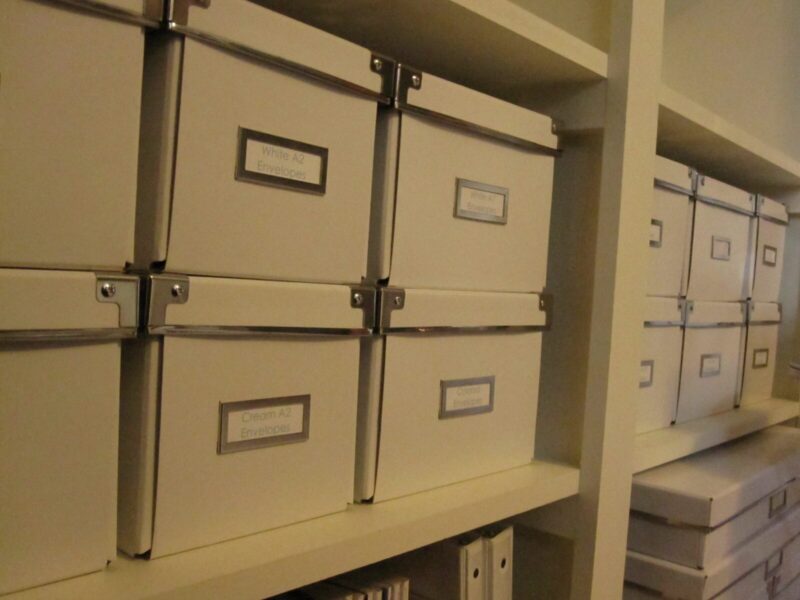
Efficient document storage remains essential for offices that manage contracts, financial records, personnel files, and compliance documentation. Without a structured filing system, paperwork can quickly become disorganized, leading to wasted time and potential data loss. Archive file boxes offer a durable and affordable solution for maintaining order while maximizing available space.
Why Archive File Boxes Are Essential For Office Storage

Offices handling high volumes of paperwork often standardize their storage approach because an A4 box file is recommended for compatibility with most printed business documents. Using uniform box sizes allows files to be stacked securely on shelves, placed into storage rooms efficiently, and indexed systematically.
Archive file boxes protect documents from dust, light exposure, and minor physical damage. Unlike loose stacks of paper, boxed storage reduces bending, tearing, and misplacement. Clear labeling areas on each box also support quick identification during audits or internal reviews.
For businesses subject to record retention requirements, archive boxes provide a simple method for organizing documents by year, department, or document type. This structure improves retrieval speed and supports compliance with administrative policies.
Durability And Cost Effective Design
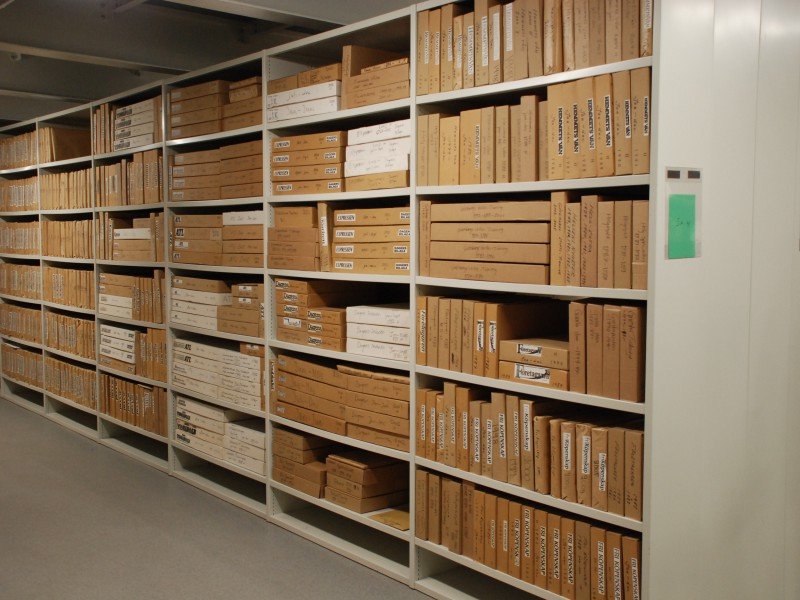
Modern archive file boxes are typically constructed from reinforced corrugated cardboard designed to withstand stacking weight and long term storage. Despite being lightweight, quality cardboard boxes can support multiple layers when placed on stable shelving systems.
Affordability is one of their major advantages. Compared to metal filing cabinets or custom storage systems, archive boxes provide a low cost solution that can scale with business growth. Companies can expand storage capacity gradually without significant capital investment.
Many archive boxes are also manufactured from recyclable materials, making them an environmentally responsible option. When retention periods expire, boxes can be responsibly disposed of or recycled, reducing environmental impact.
Durable lids and interlocking designs enhance stability and protect contents from shifting. Proper assembly ensures structural integrity and prevents collapse under load.
Optimizing Office Space And Organization
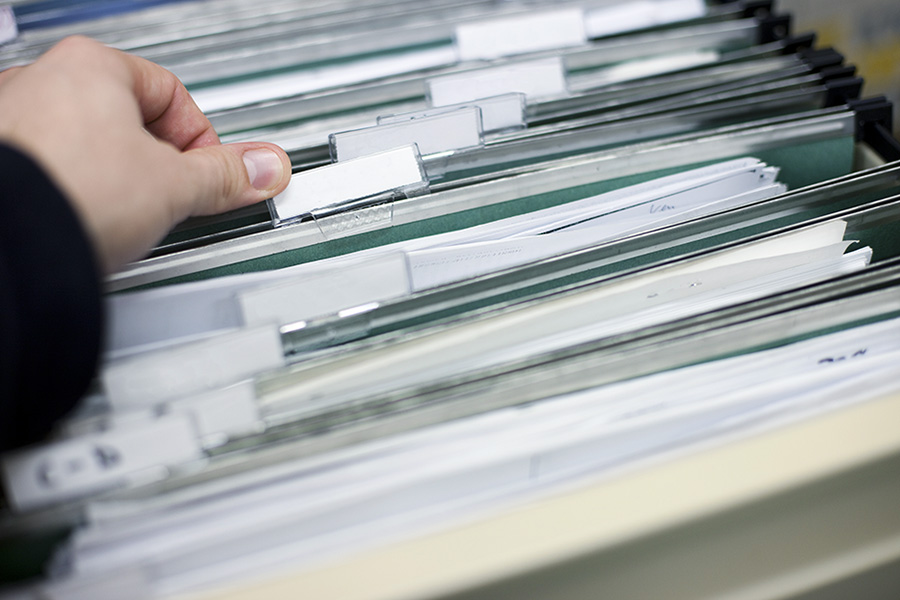
Archive file boxes support efficient space utilization, particularly in offices where floor space is limited. By stacking boxes vertically on shelving units, businesses can convert unused wall areas into organized storage zones.
Standardized box sizes allow for consistent shelf alignment, minimizing wasted space between items. Clearly marked labels on box spines make it easy to locate specific files without removing multiple containers.
For administrative teams, this level of organization reduces time spent searching for documents and improves workflow efficiency. Structured storage also supports smoother transitions during office relocations or departmental reorganizations.
Maintaining a clean and well organized archive area contributes to a professional office environment and reduces the risk of document loss or accidental disposal.
Conclusion
Archive file boxes provide a durable, affordable, and scalable solution for office document storage. With standardized sizing, protective construction, and efficient stacking capability, they help businesses maintain organized and compliant record management systems. By investing in quality archive boxes and structured shelving, offices can protect important documents while optimizing space and improving administrative efficiency.